Total Alkalinity Analyzer: A Comprehensive Guide
Maintaining optimal water quality is crucial in various industries, from wastewater treatment to aquaculture. A key parameter in assessing water quality is total alkalinity. Accurate measurement of total alkalinity is vital for process control, environmental monitoring, and ensuring compliance with regulatory standards. This article explores the importance of total alkalinity analyzers, their applications, and the benefits of choosing a reliable instrument like those offered by Jensprima. Understanding the principles behind total alkalinity measurement and the features of advanced analyzers will empower you to make informed decisions for your specific needs.
What is Total Alkalinity and Why is it Important?
Total alkalinity refers to the capacity of water to neutralize acids. It's primarily caused by the presence of bicarbonate (HCO₃⁻), carbonate (CO₃²⁻), and hydroxide (OH⁻) ions. Maintaining appropriate alkalinity levels is critical for several reasons. In water treatment, it stabilizes pH, preventing corrosion in pipes and equipment. In aquaculture, it ensures the health and survival of aquatic organisms. For industrial processes, it directly impacts the efficiency and effectiveness of chemical reactions. Without accurate monitoring, imbalances in alkalinity can lead to costly operational issues and environmental concerns. Jensprima's total alkalinity analyzers provide the precision needed to confidently manage these crucial parameters.
Key Benefits of Accurate Alkalinity Measurement: Prevents corrosion, ensures optimal pH stability, supports aquatic life, optimizes industrial processes, and guarantees regulatory compliance.
Understanding Total Alkalinity Analyzer Technologies
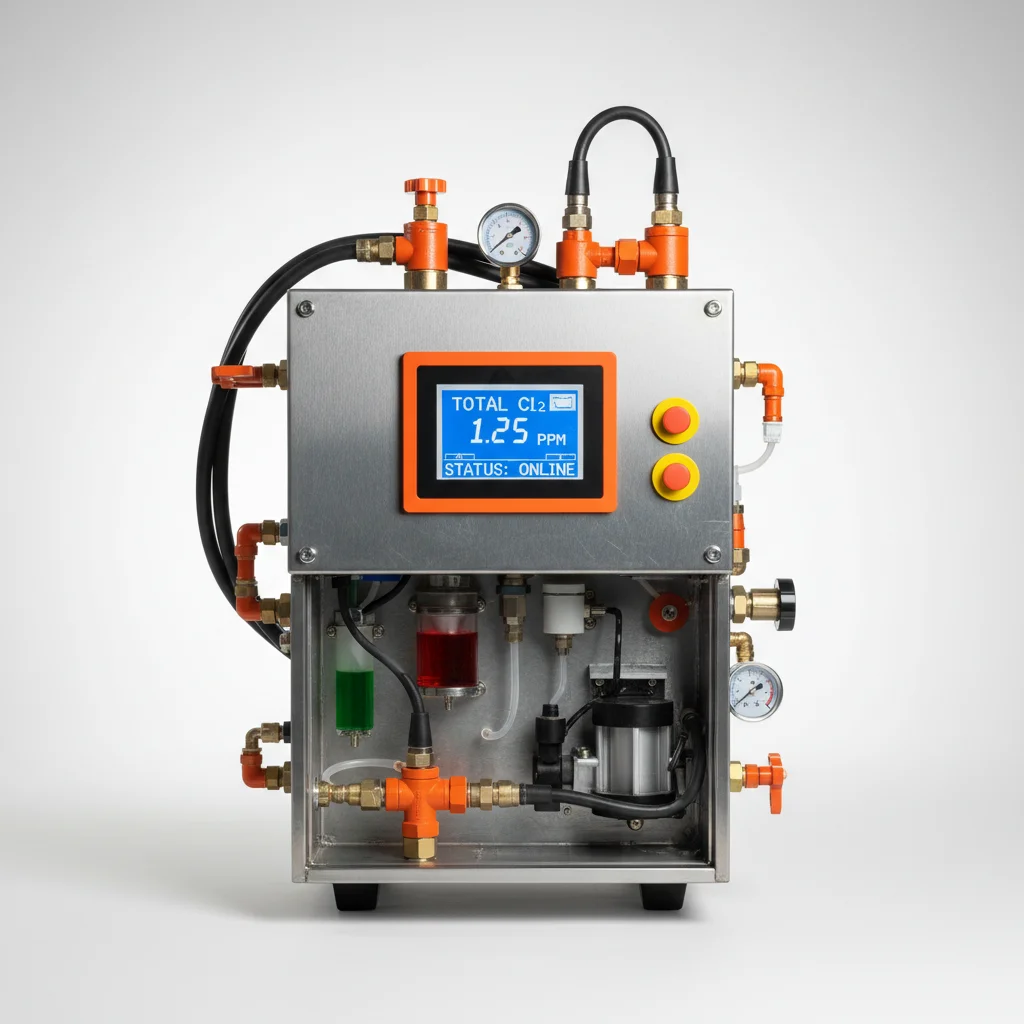
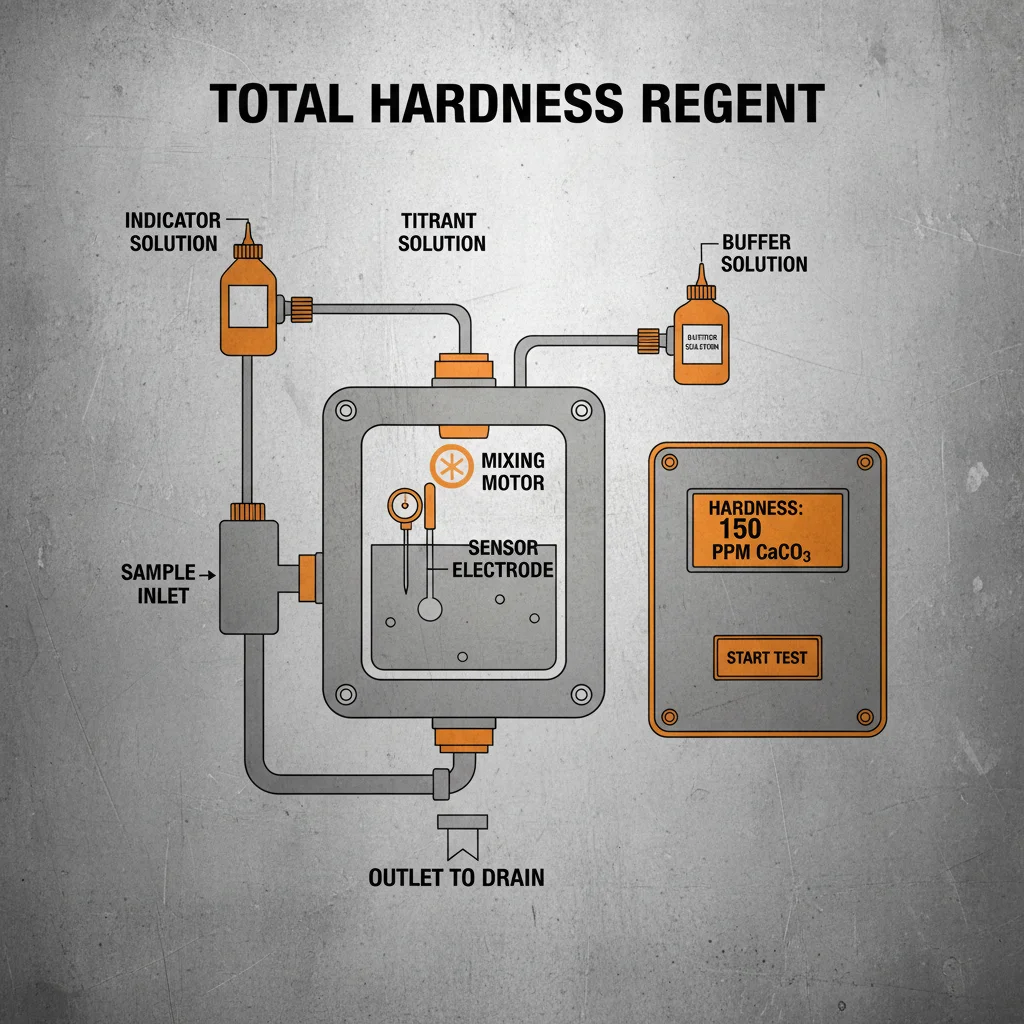
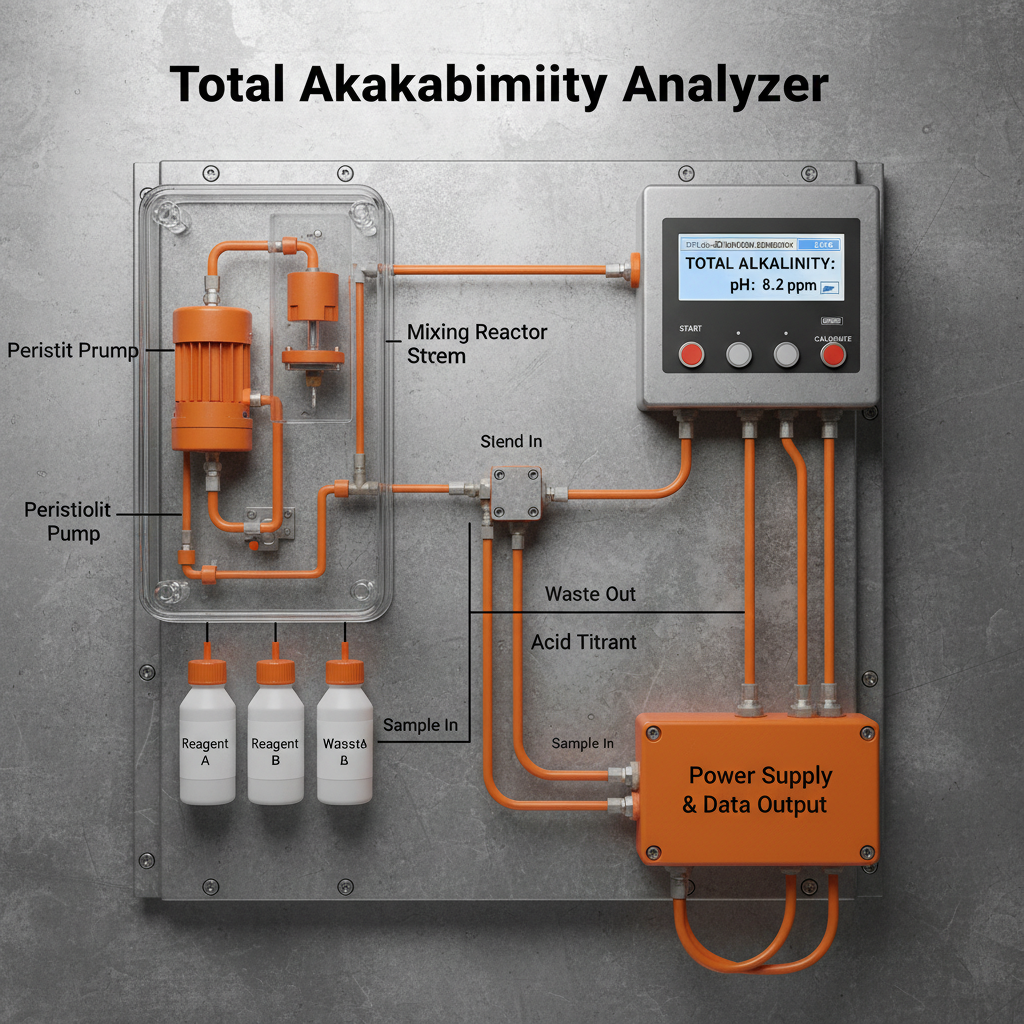
Several technologies are used in total alkalinity analyzers. Titration is a traditional method, involving the gradual addition of acid to a water sample until a specific pH endpoint is reached. While accurate, titration is time-consuming and requires skilled personnel. Electrode-based analyzers offer a more automated solution, employing sensors that measure pH changes during titration. Conductivity-based methods estimate alkalinity by measuring the water’s ability to conduct electricity, which correlates with ion concentration. Jensprima analyzers leverage advanced electrode technology, offering a balance of accuracy, automation, and ease of use.
Key Analyzer Technologies:
• Titration: Traditional, accurate, but labor-intensive.
• Electrode-Based: Automated, accurate, and user-friendly.
• Conductivity-Based: Estimates alkalinity, less precise.
Total Alkalinity Analyzer Comparison: Choosing the Right Instrument
Selecting the right total alkalinity analyzer depends on your specific application and budget. Consider factors like sample volume, measurement range, required accuracy, and maintenance requirements. Manual titration is cost-effective for infrequent testing, but automated analyzers provide continuous monitoring and reduce the risk of human error. Online analyzers are ideal for real-time process control, while portable analyzers are useful for field measurements. Jensprima's range of analyzers caters to diverse needs, offering both portable and online options.
| Feature |
Titration (Manual) |
Electrode-Based (Jensprima) |
Conductivity-Based |
| Accuracy |
High, operator dependent |
Very High, automated |
Moderate |
| Automation |
Manual |
Fully Automated |
Automated |
| Cost |
Lowest |
Moderate to High |
Low to Moderate |
| Maintenance |
Low |
Moderate (electrode calibration) |
Low |
Applications of Total Alkalinity Analyzers
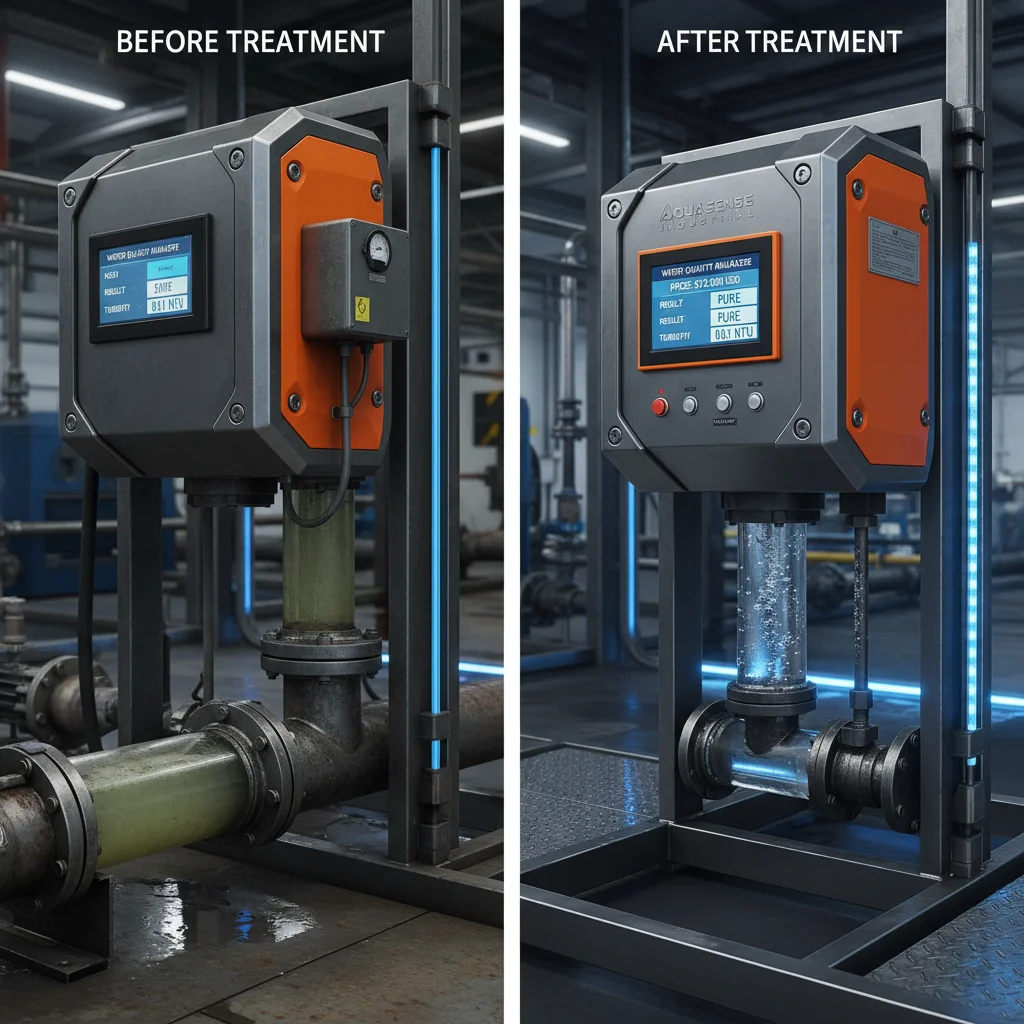
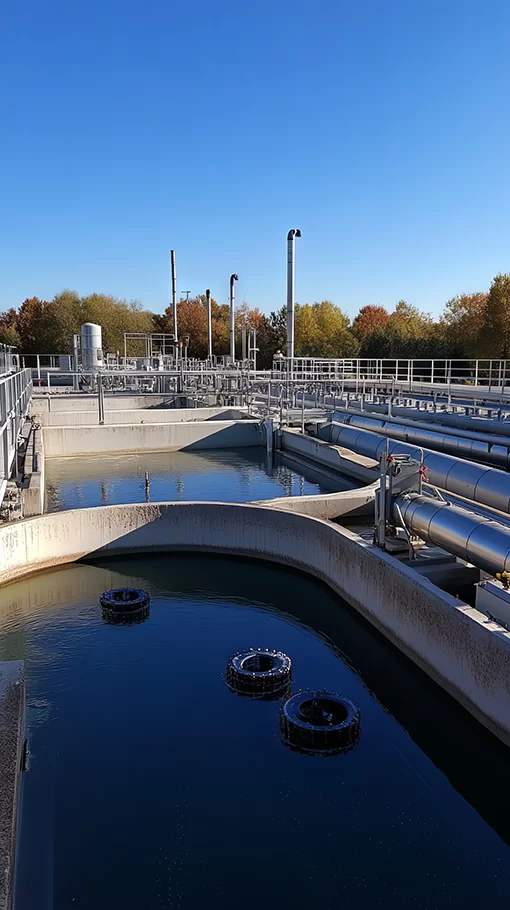
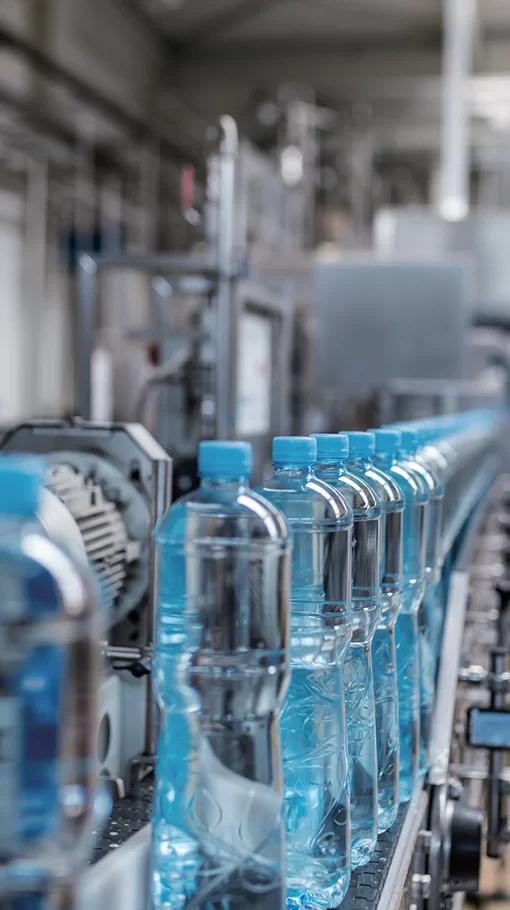
Total alkalinity analyzers find applications in a wide range of industries. Wastewater treatment plants use them to optimize chemical dosing and ensure effluent meets regulatory requirements. Power plants monitor alkalinity to prevent corrosion in cooling water systems. The aquaculture industry relies on accurate alkalinity measurements to maintain optimal water conditions for fish and shellfish. Food and beverage processing also utilize these analyzers for quality control. Jensprima analyzers are designed to meet the diverse needs of these sectors.
Jensprima Total Alkalinity Analyzers: Features and Benefits
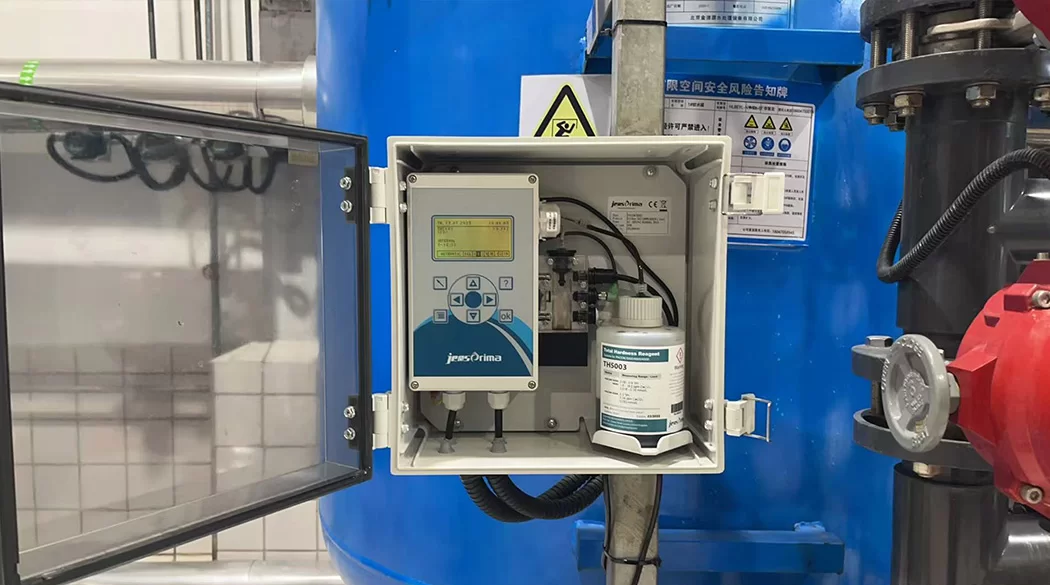
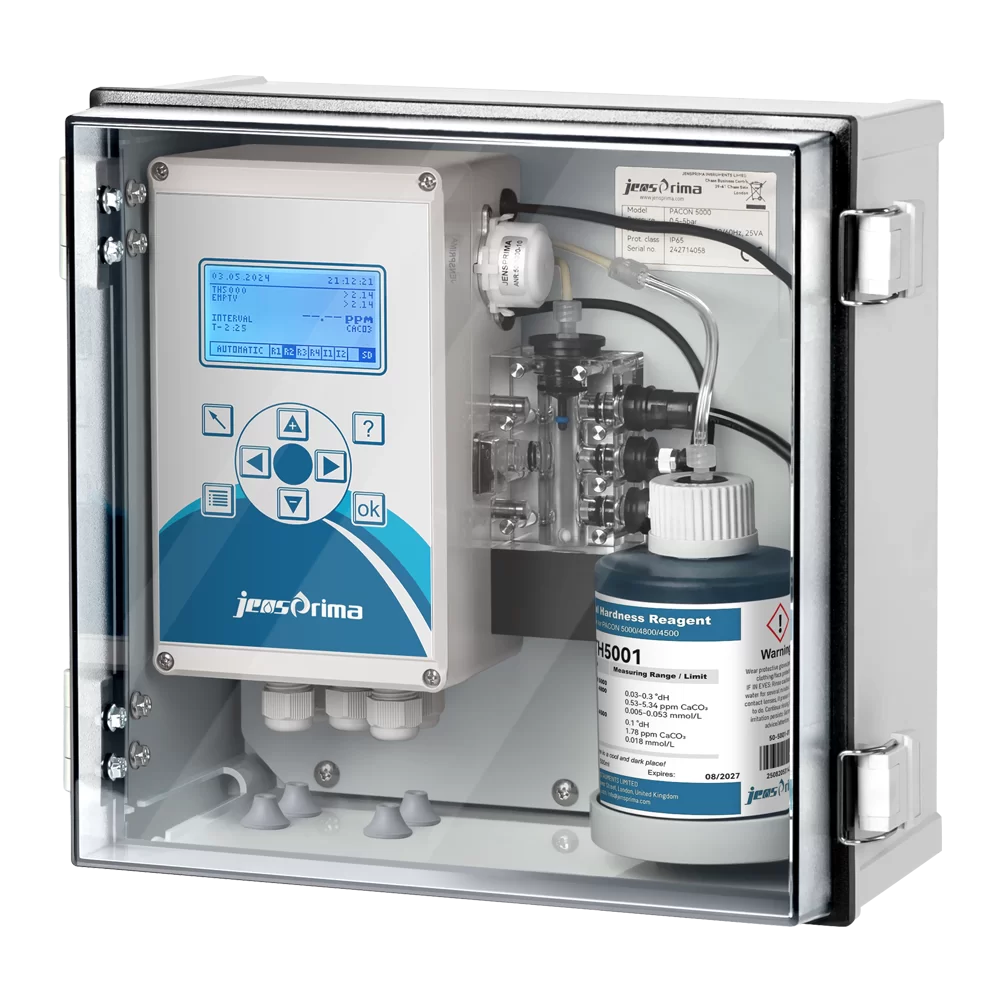
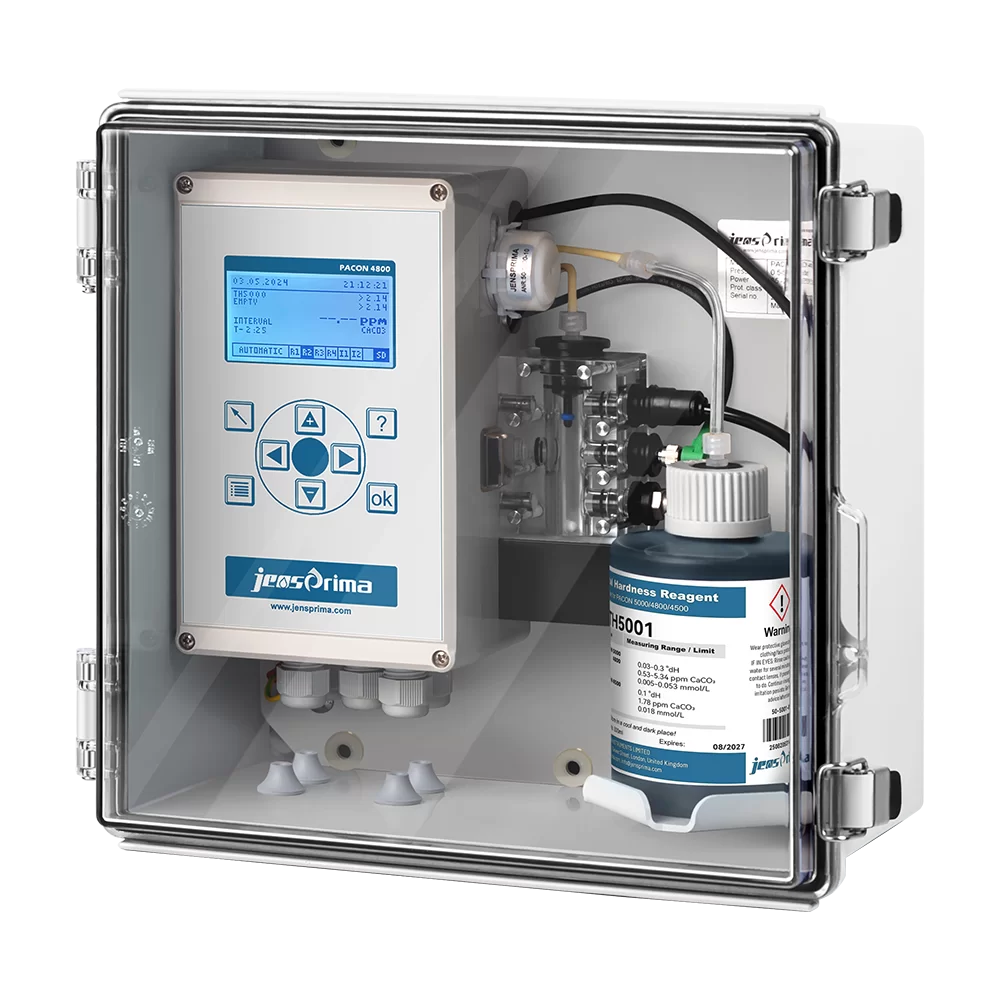
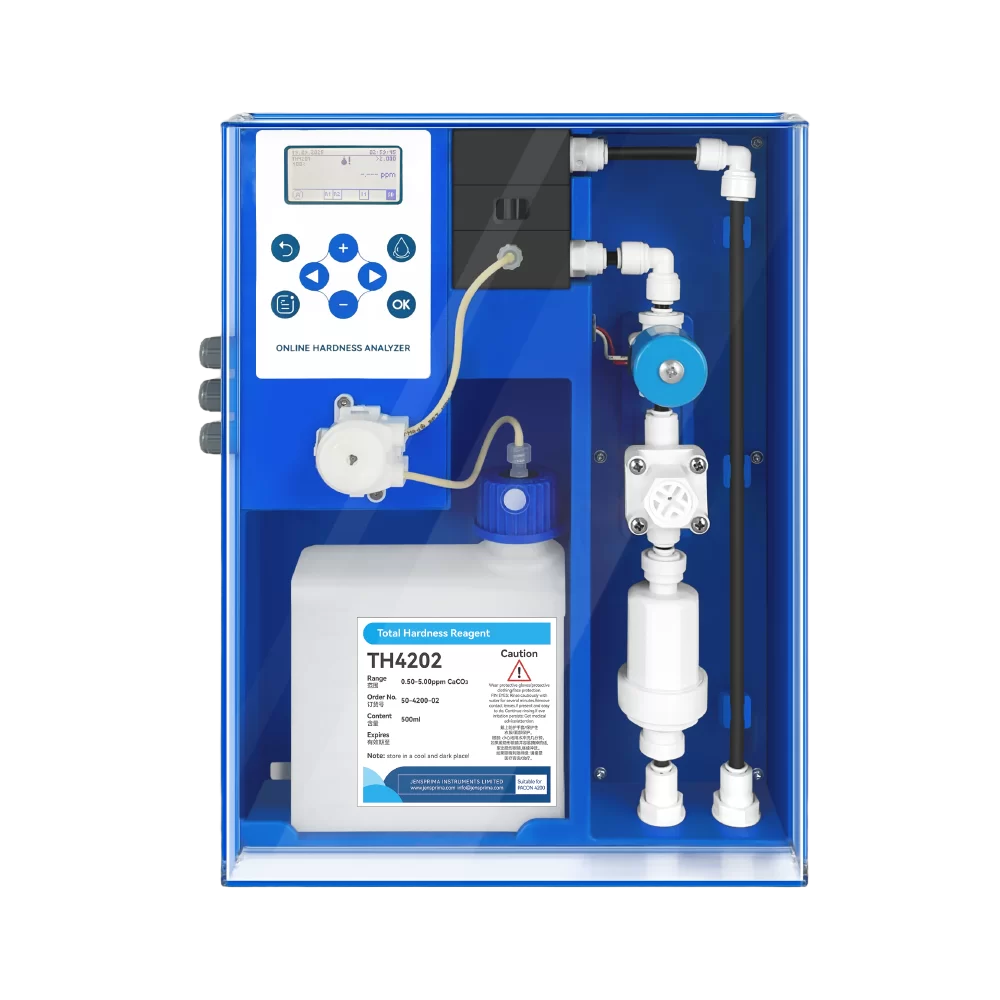
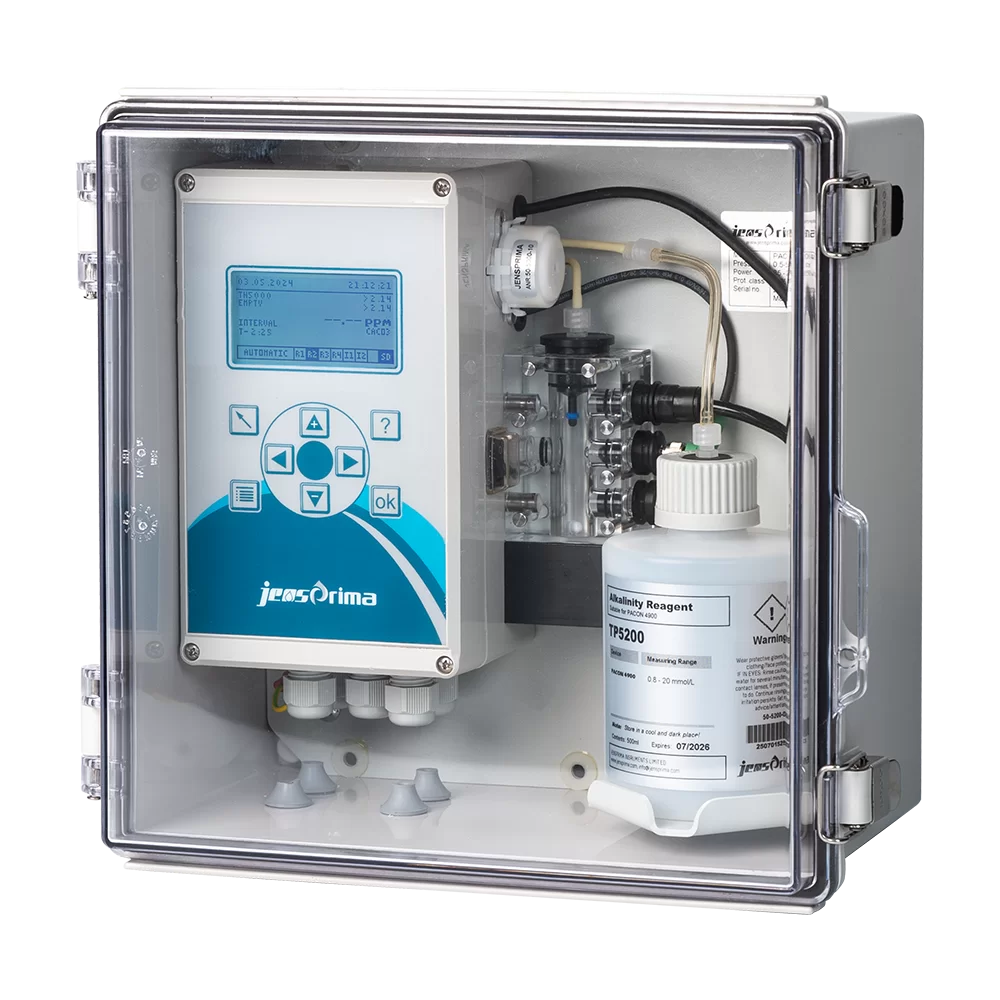
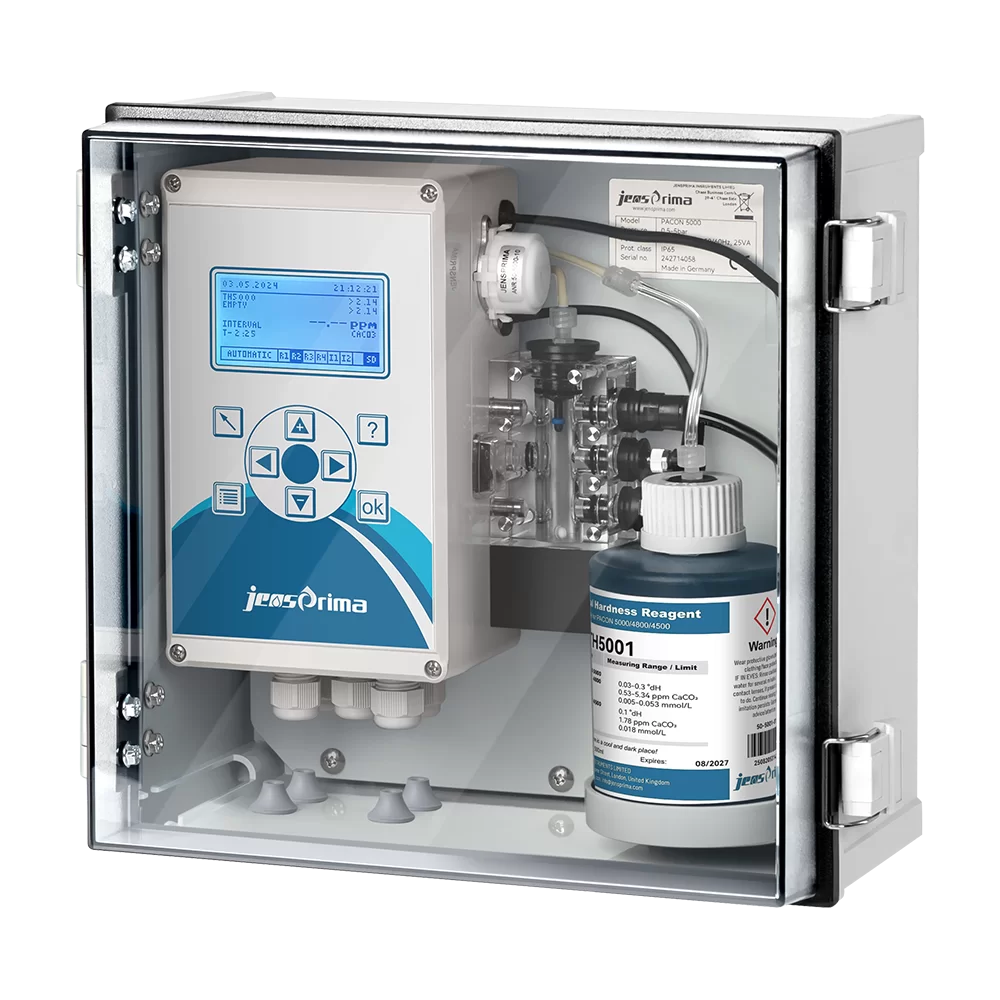
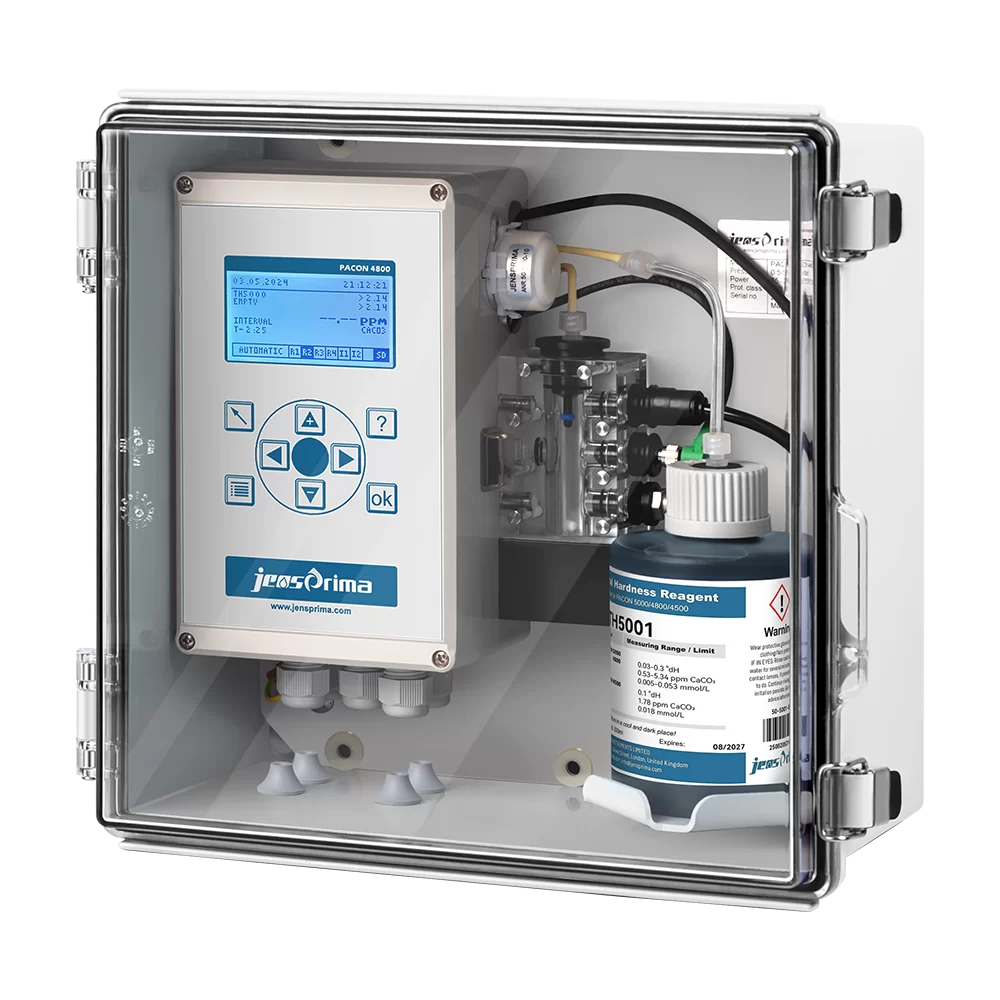
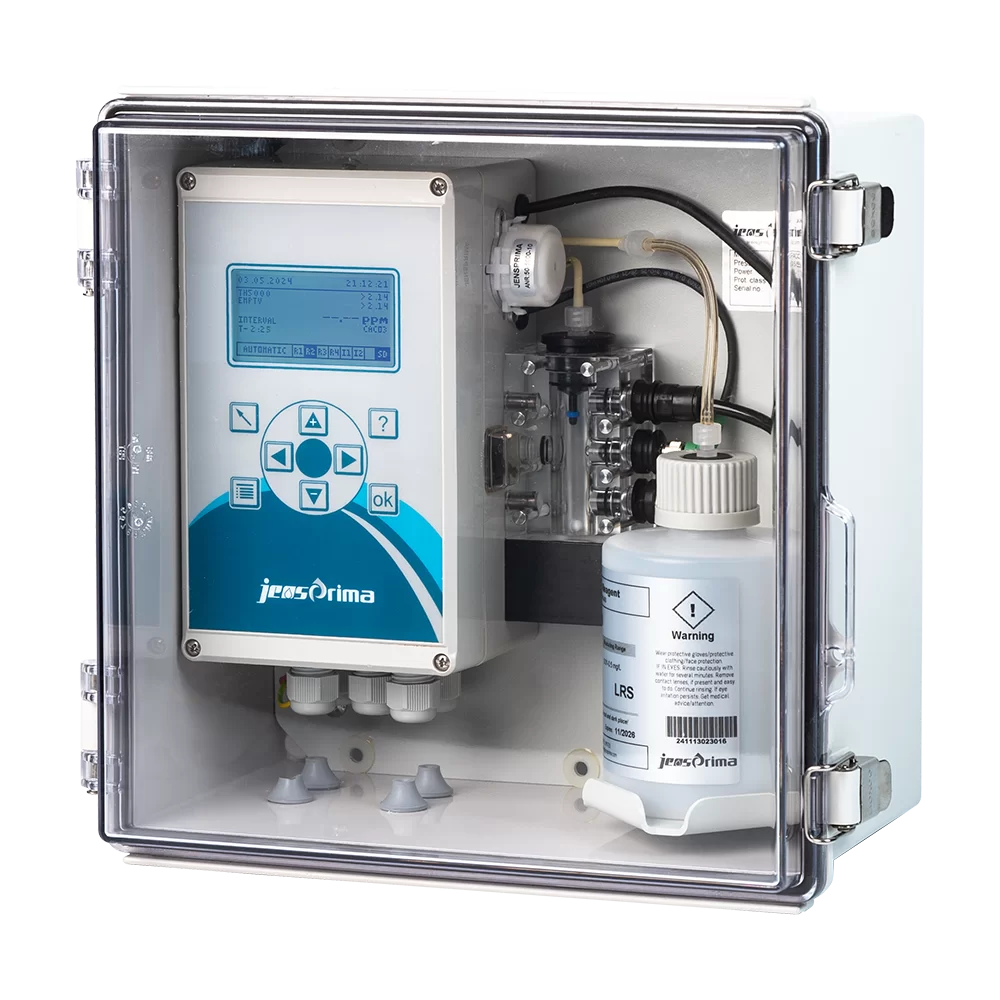
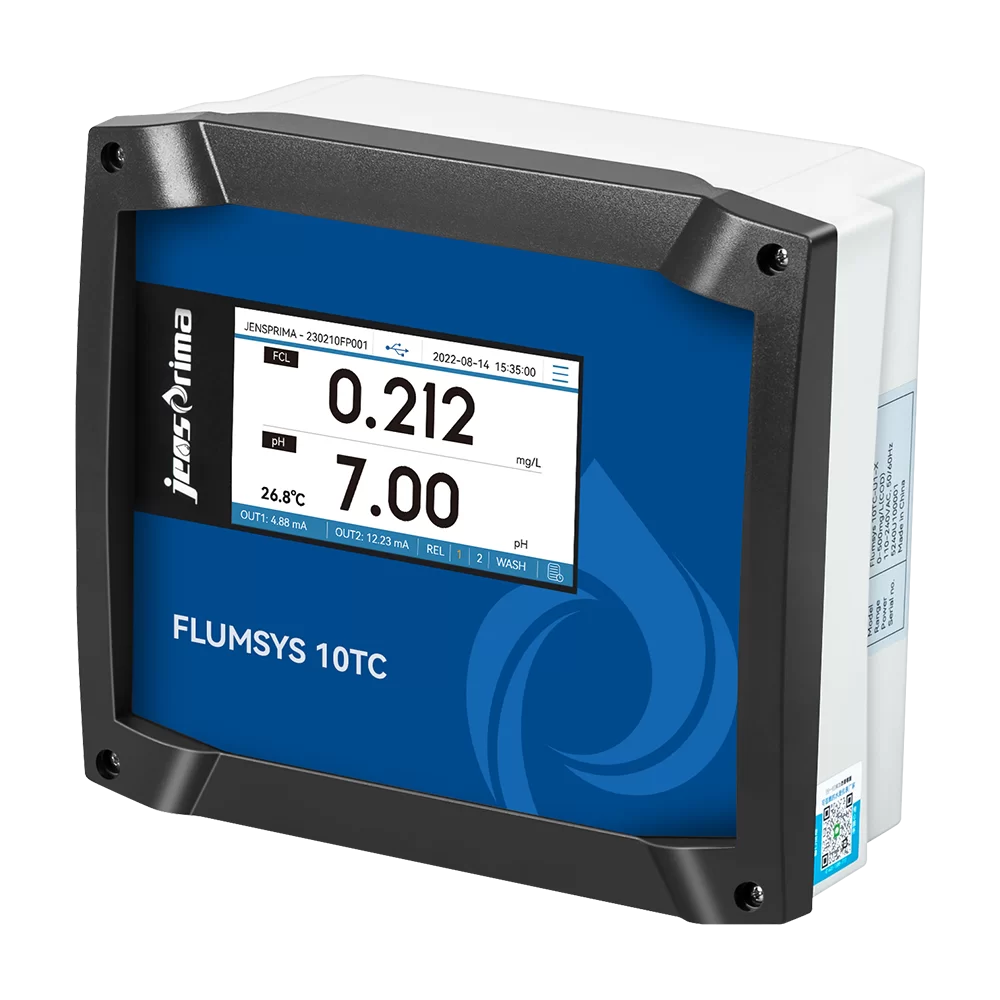
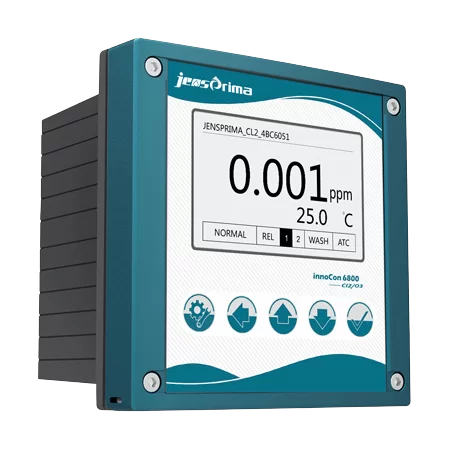
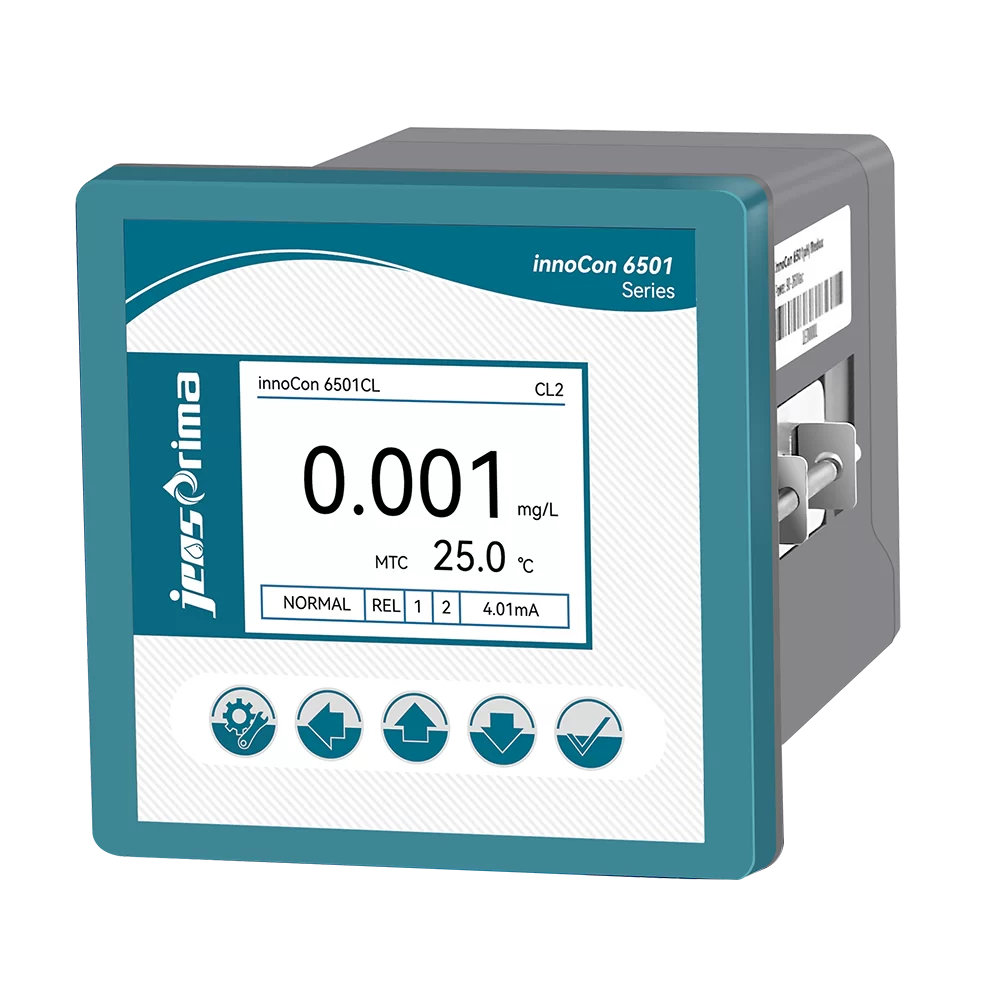
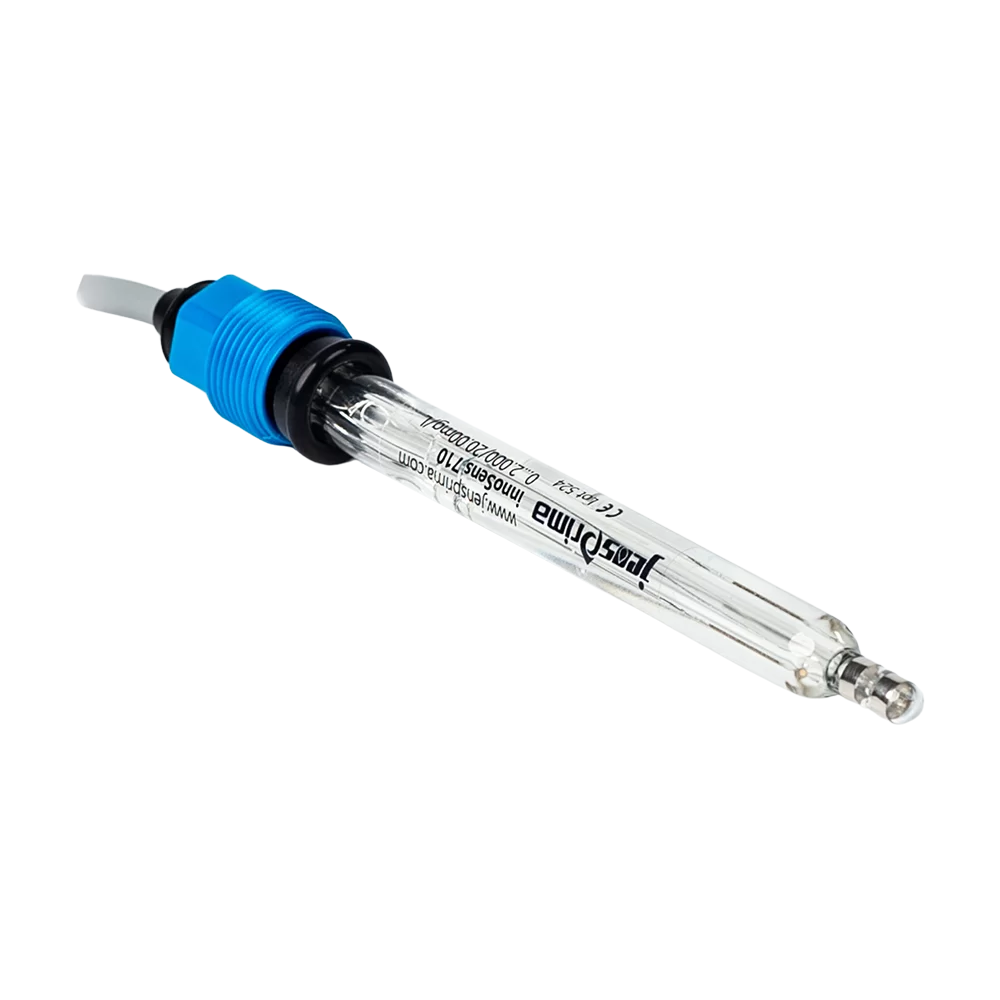
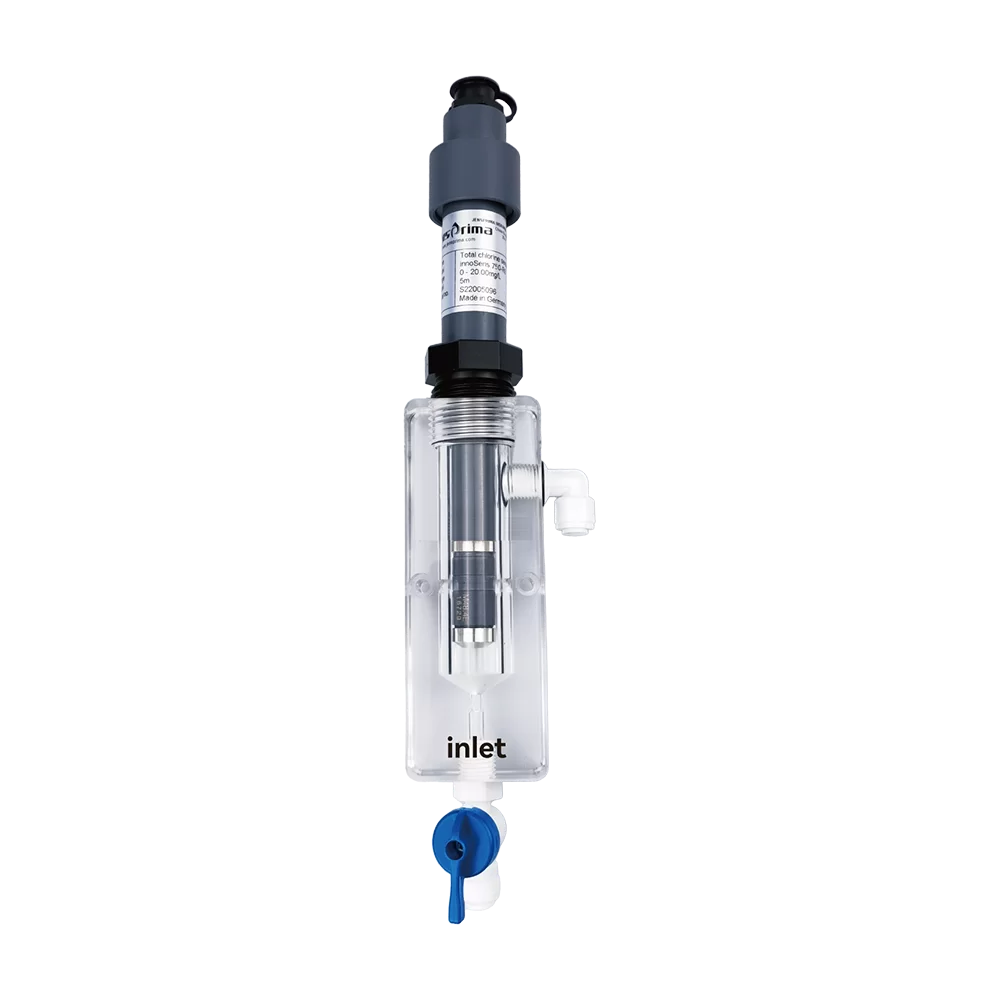
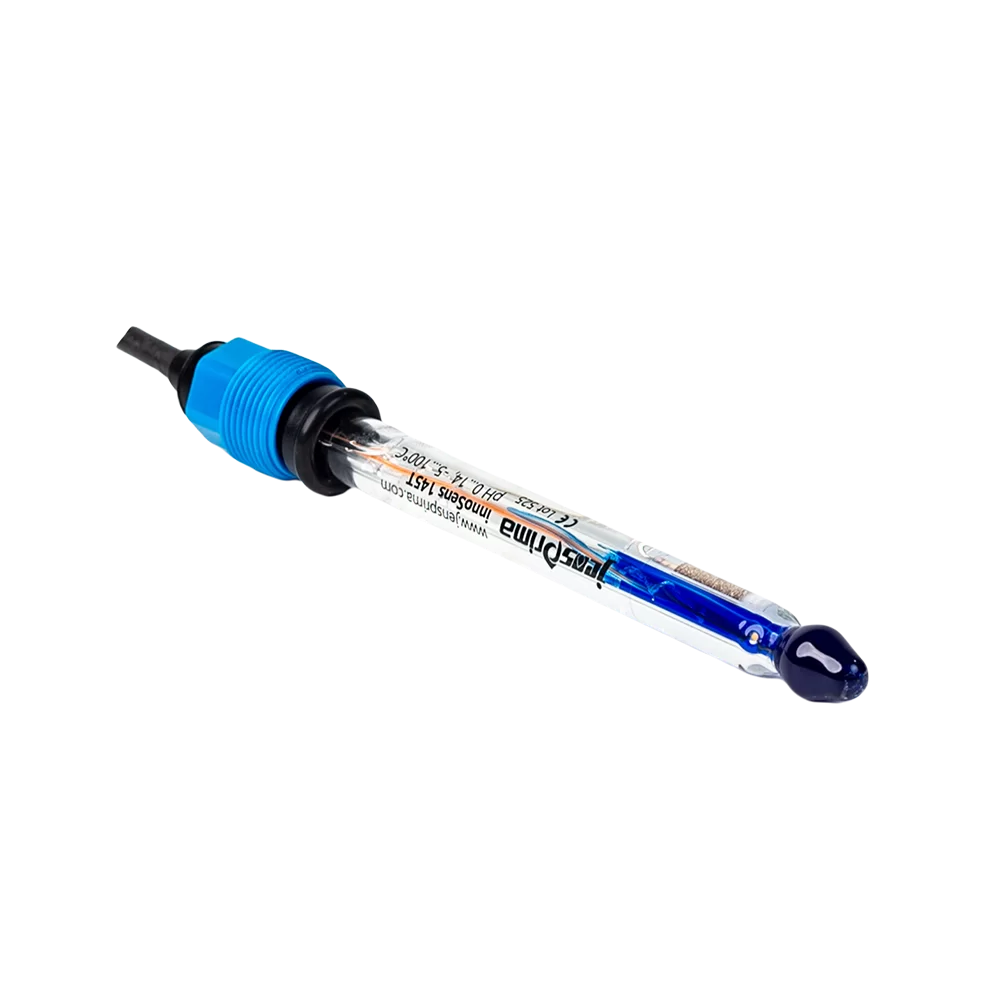
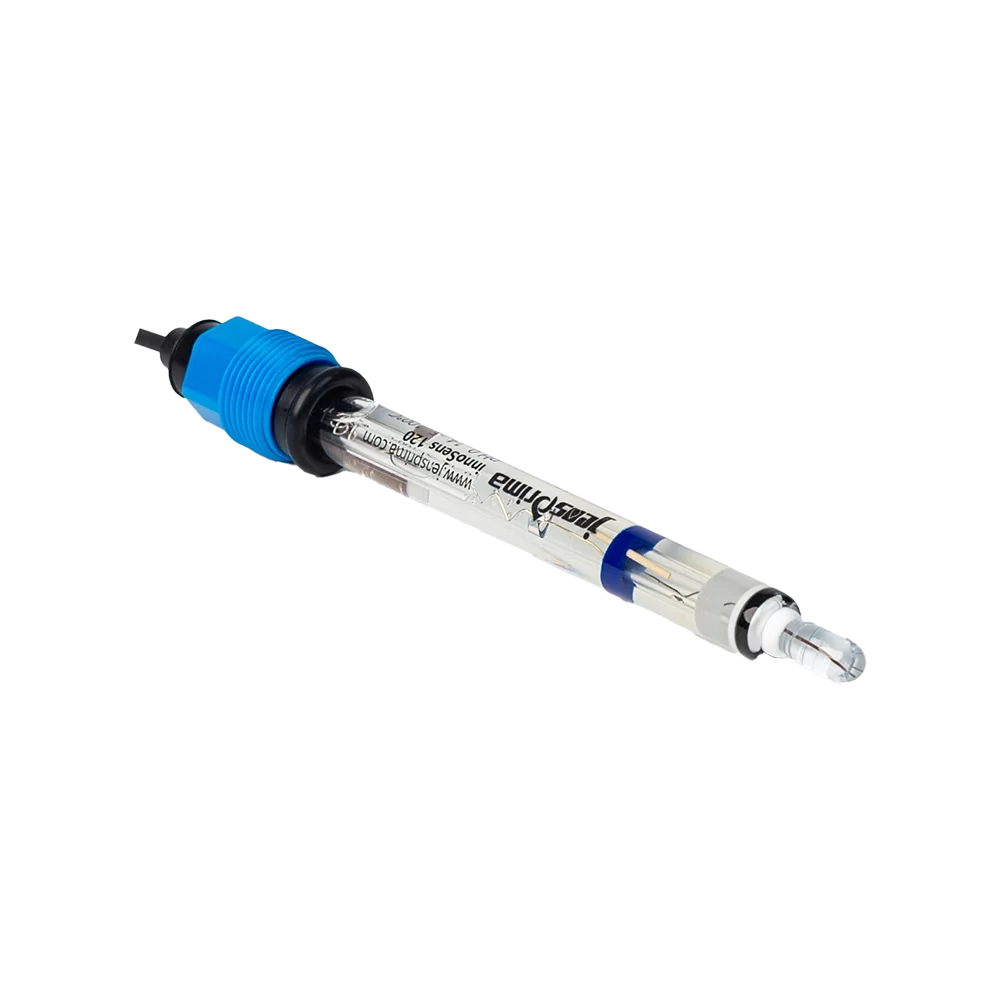
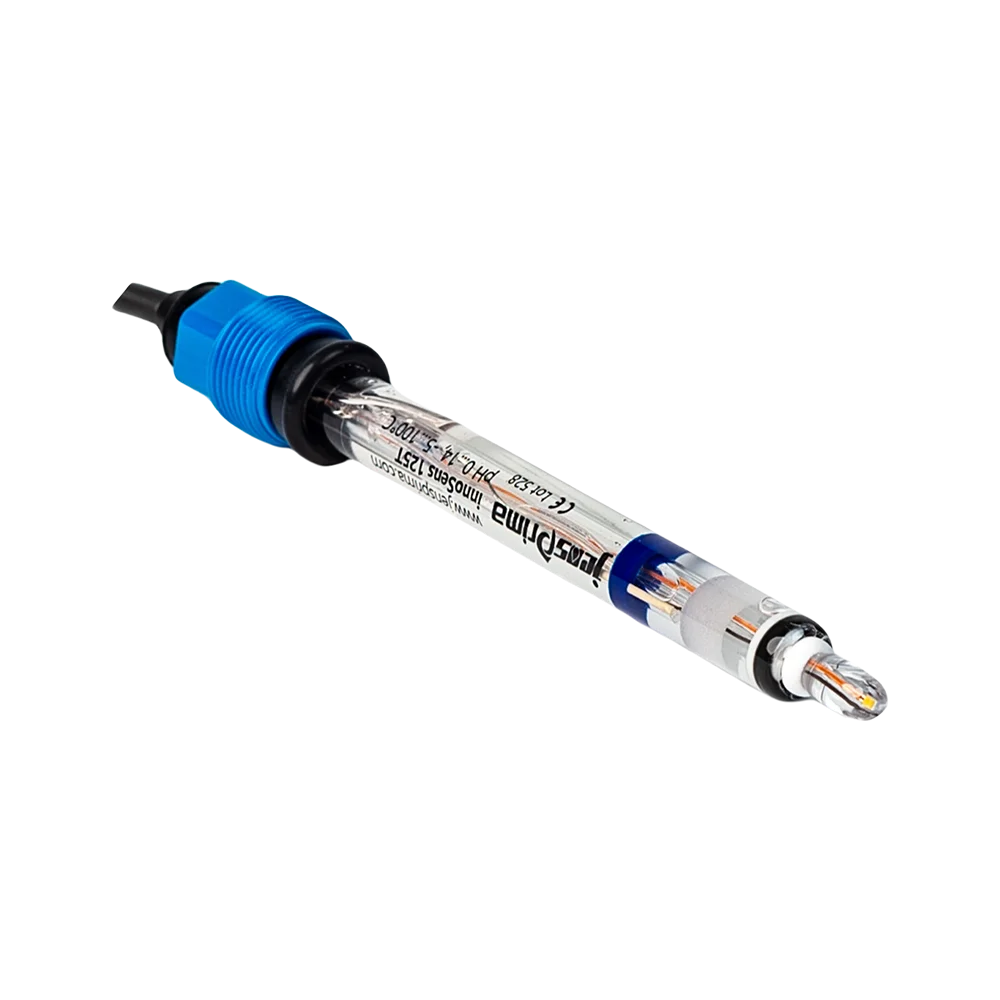
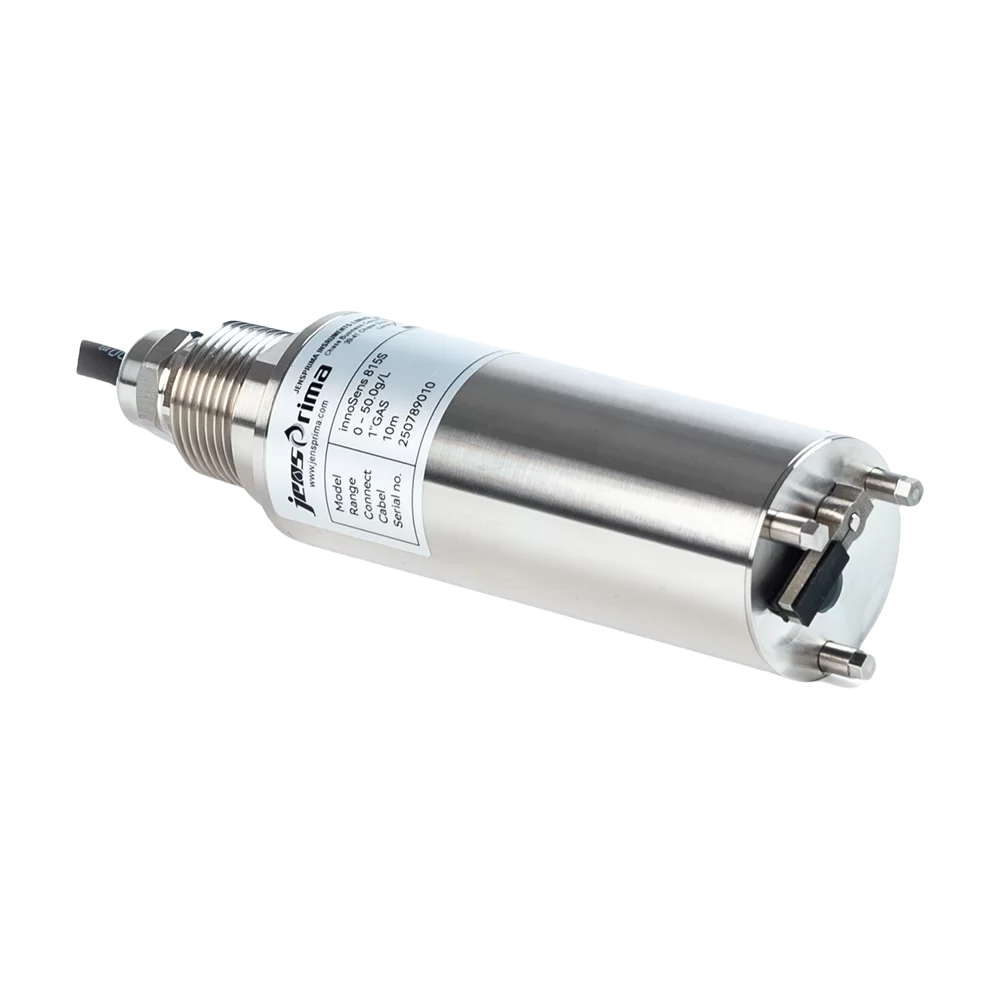
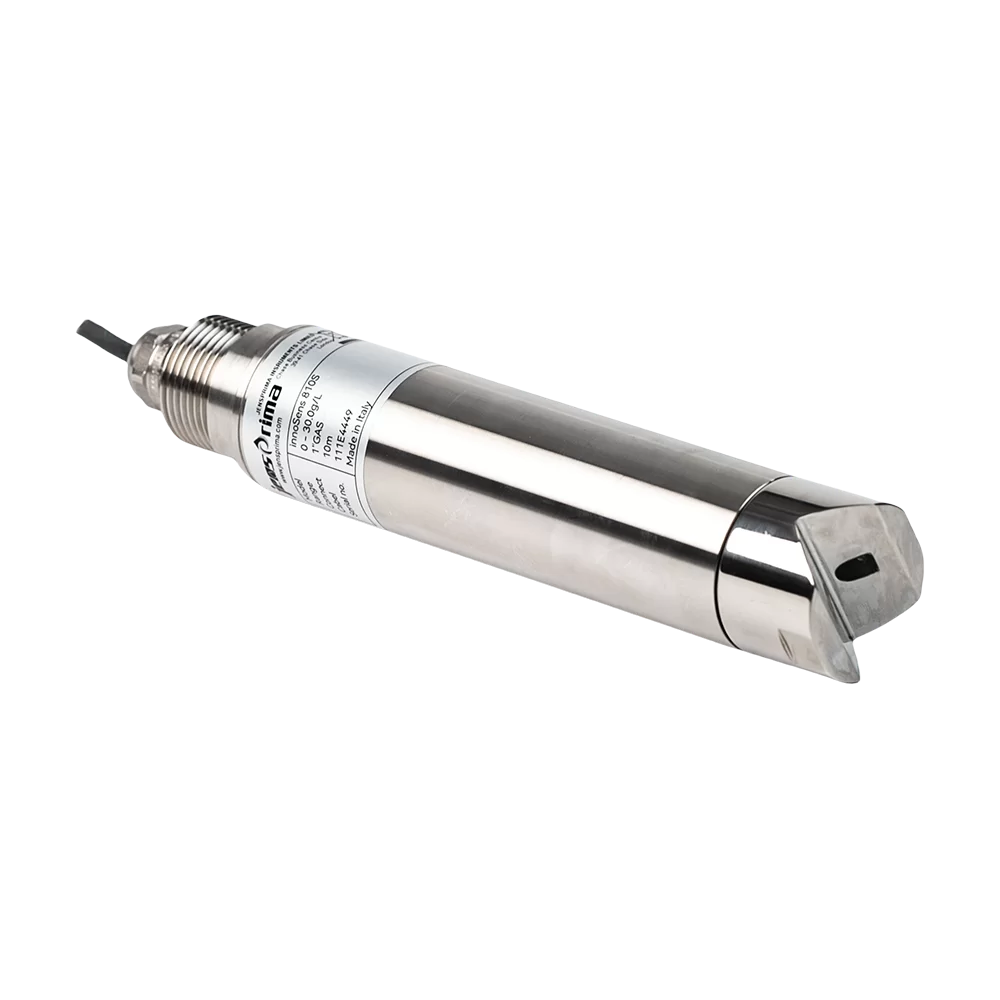
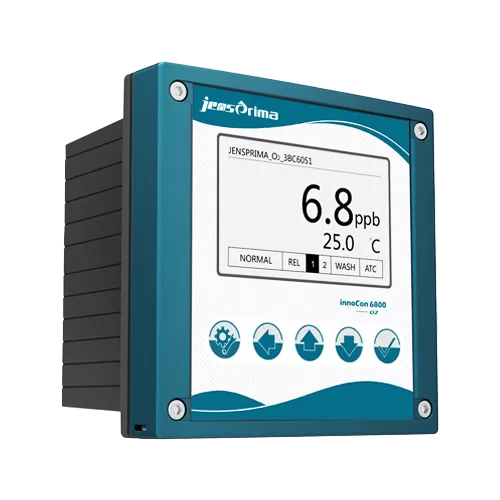
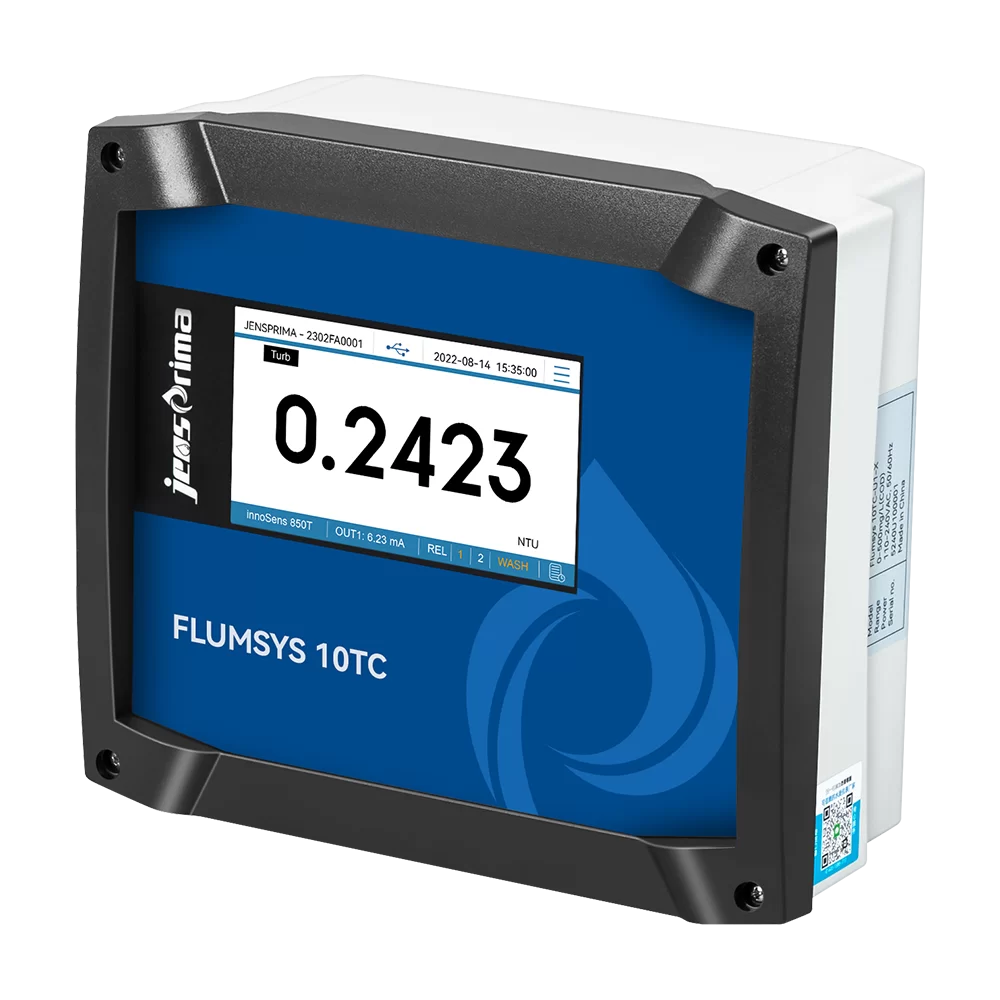
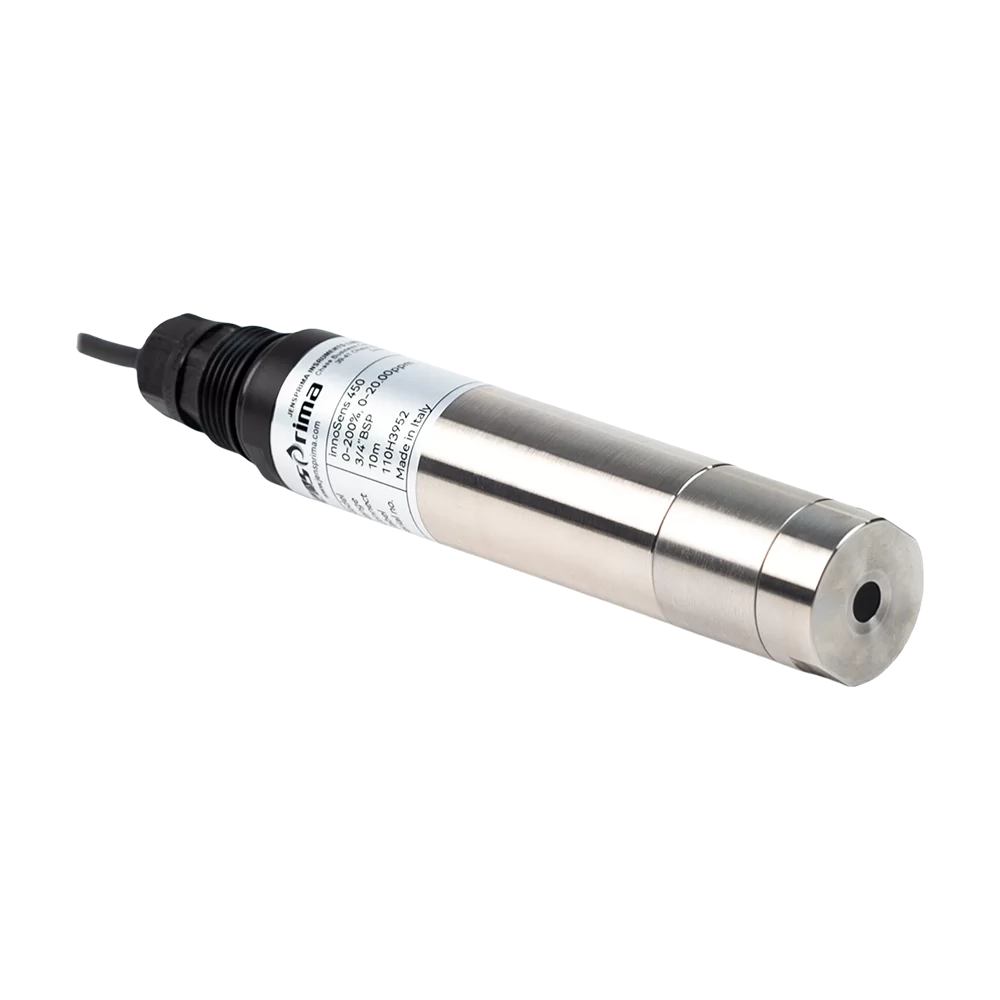
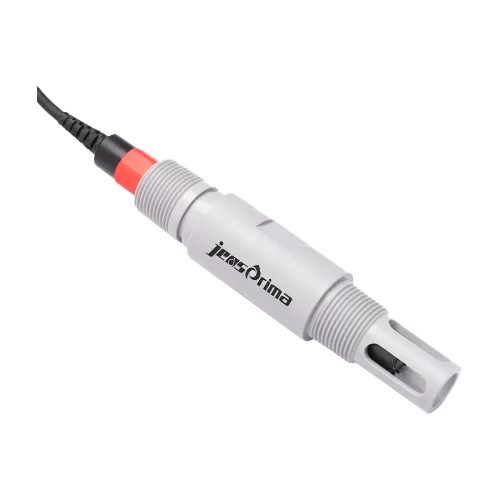
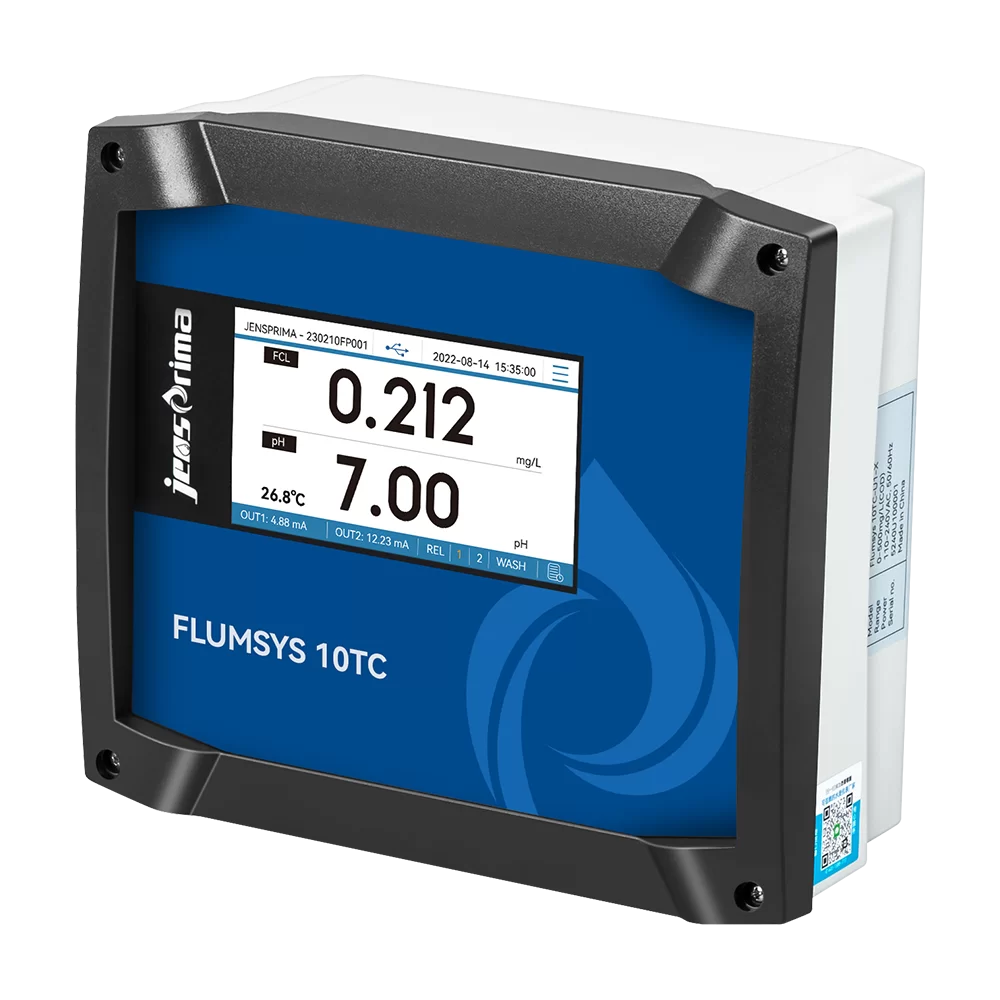
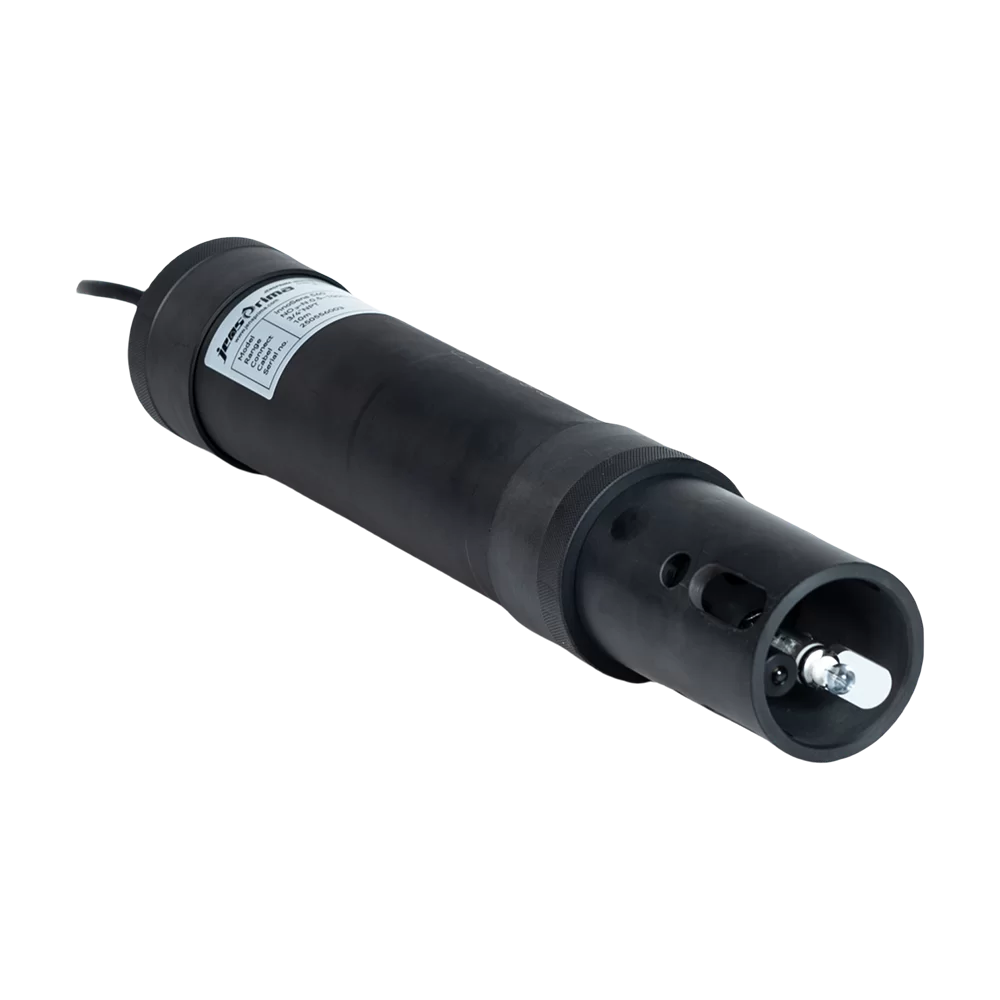
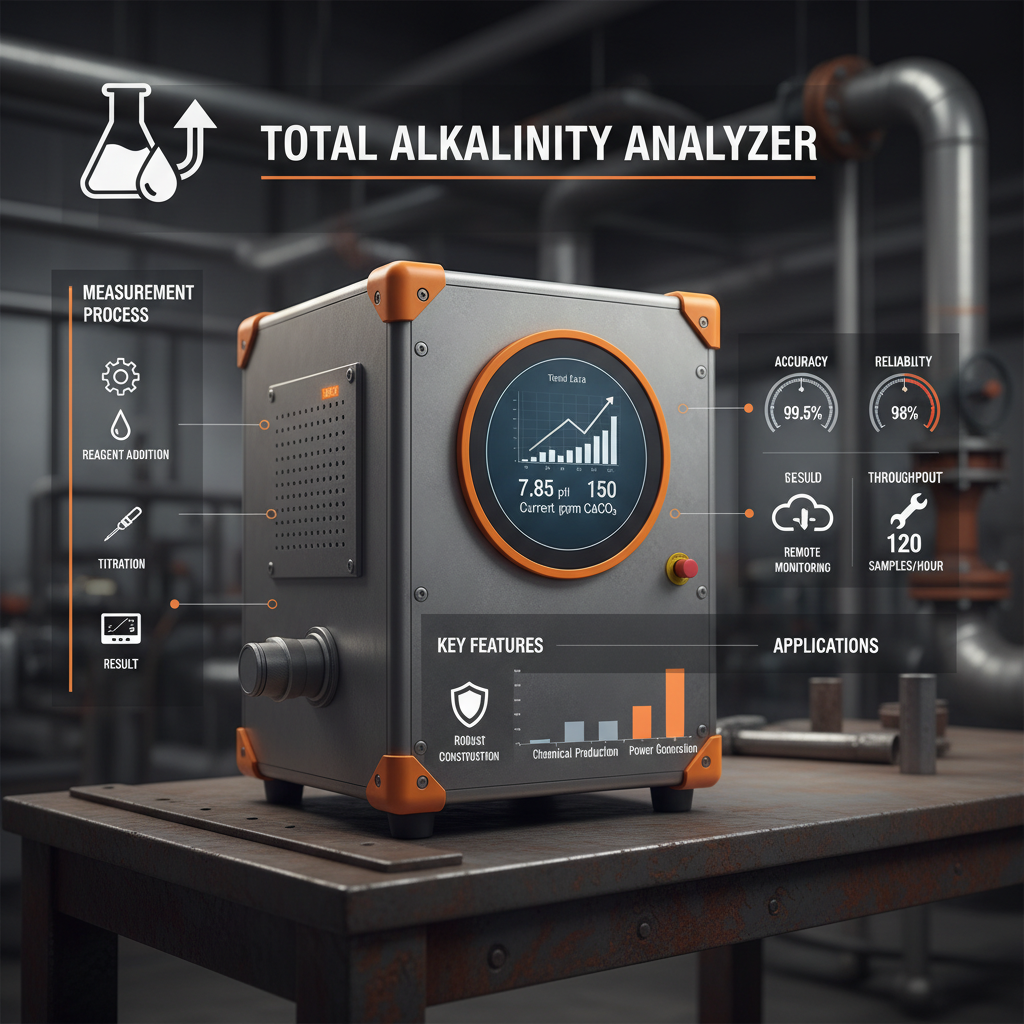
Jensprima offers a comprehensive range of total alkalinity analyzers designed for accuracy, reliability, and ease of use. Our analyzers feature advanced electrode technology, ensuring precise measurements with minimal drift. User-friendly interfaces and intuitive software simplify operation and data management. Robust construction and high-quality materials guarantee long-term performance and minimal maintenance. Explore Jensprima's product line to find the perfect solution for your application.
| Specification |
Detail |
| Measurement Range |
0-2000 mg/L as CaCO₃ |
| Accuracy |
±1% Full Scale |
| Operating Temperature |
5-40°C |
| Output |
4-20mA, Modbus RTU |
Conclusion: Invest in Accurate Alkalinity Monitoring with Jensprima
Investing in a reliable total alkalinity analyzer from Jensprima is a strategic step toward optimizing your water quality management processes. Our analyzers deliver accuracy, reliability, and ease of use, empowering you to make informed decisions and ensure compliance. Contact us today to learn more about our product offerings and find the perfect solution for your specific needs.
Frequently Asked Questions (FAQs)
How often should I calibrate my total alkalinity analyzer?
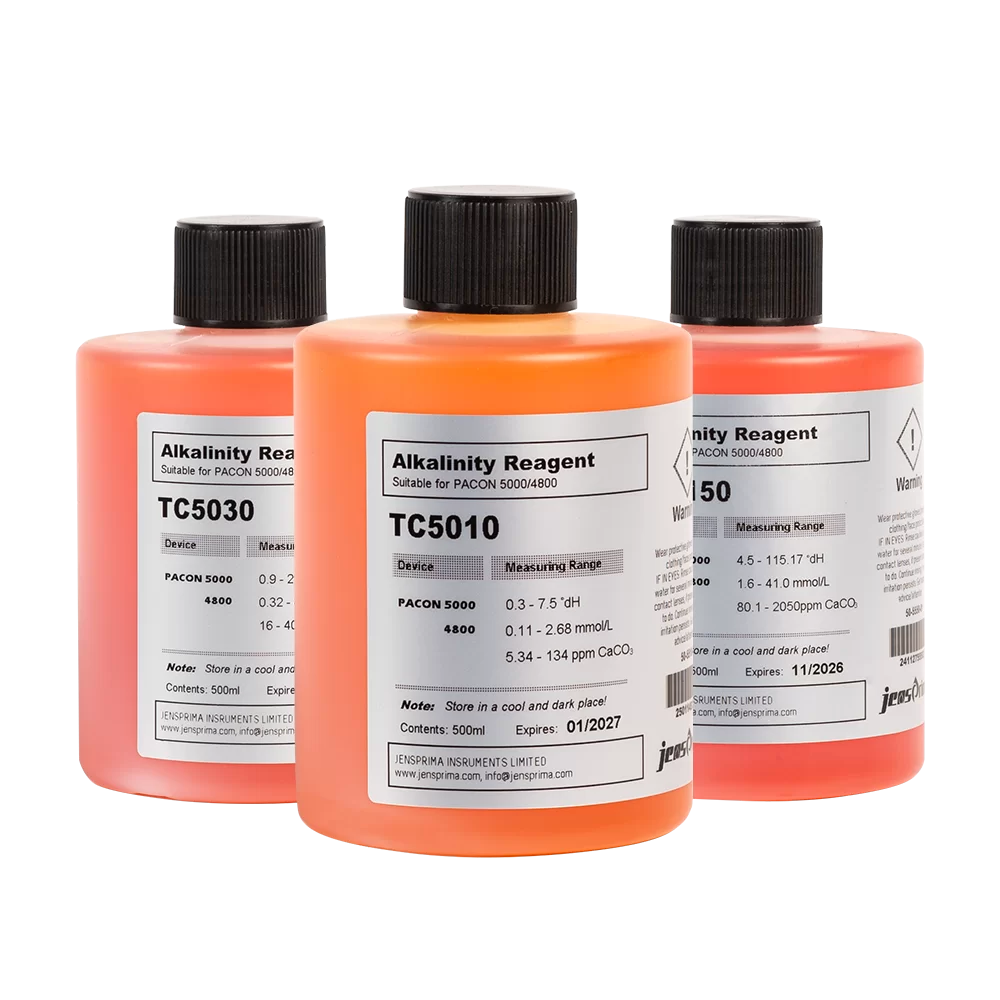
The frequency of calibration depends on the analyzer’s usage and the accuracy requirements of your application. However, a general guideline is to calibrate the analyzer at least once a month, or more frequently if you notice any drift in readings. Jensprima analyzers come with easy-to-use calibration procedures and high-quality calibration standards. Regularly calibrating ensures accurate and reliable measurements, crucial for maintaining process control and data integrity. Following the manufacturer’s recommendations is also important.
What type of maintenance is required for a Jensprima total alkalinity analyzer?
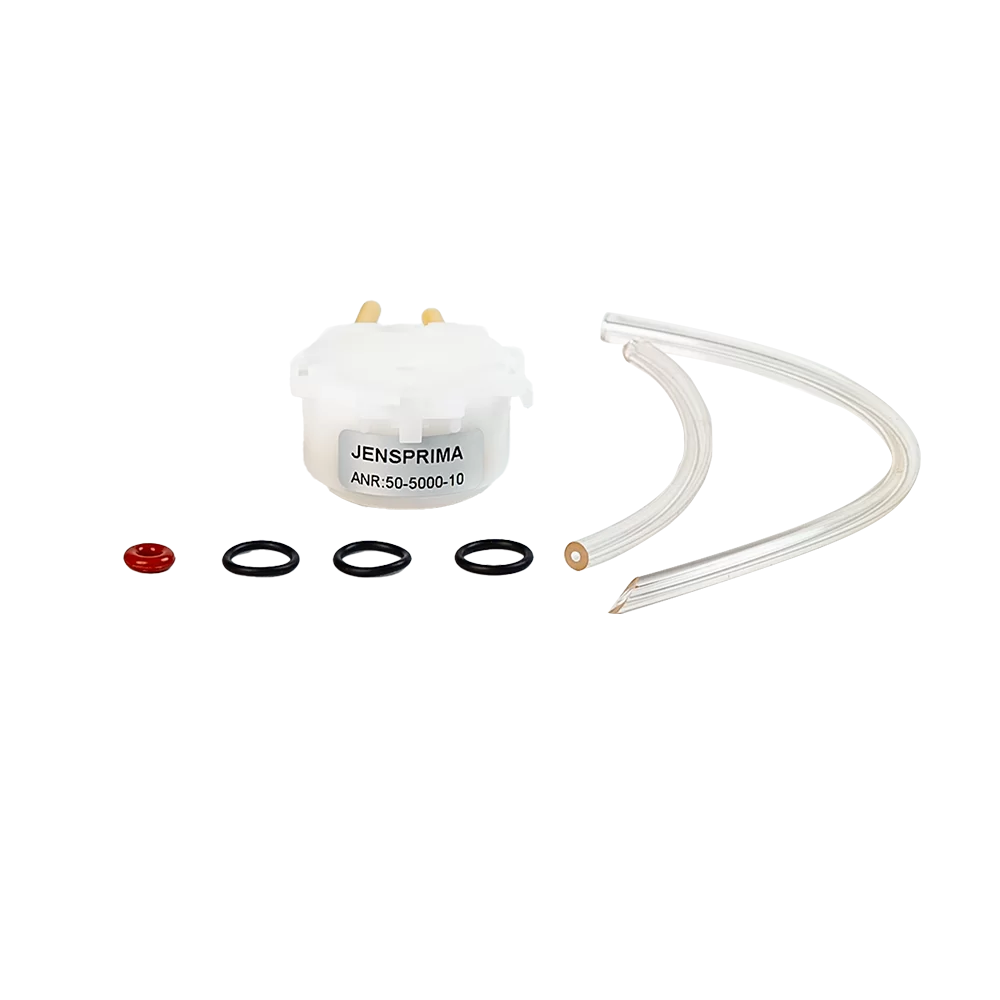
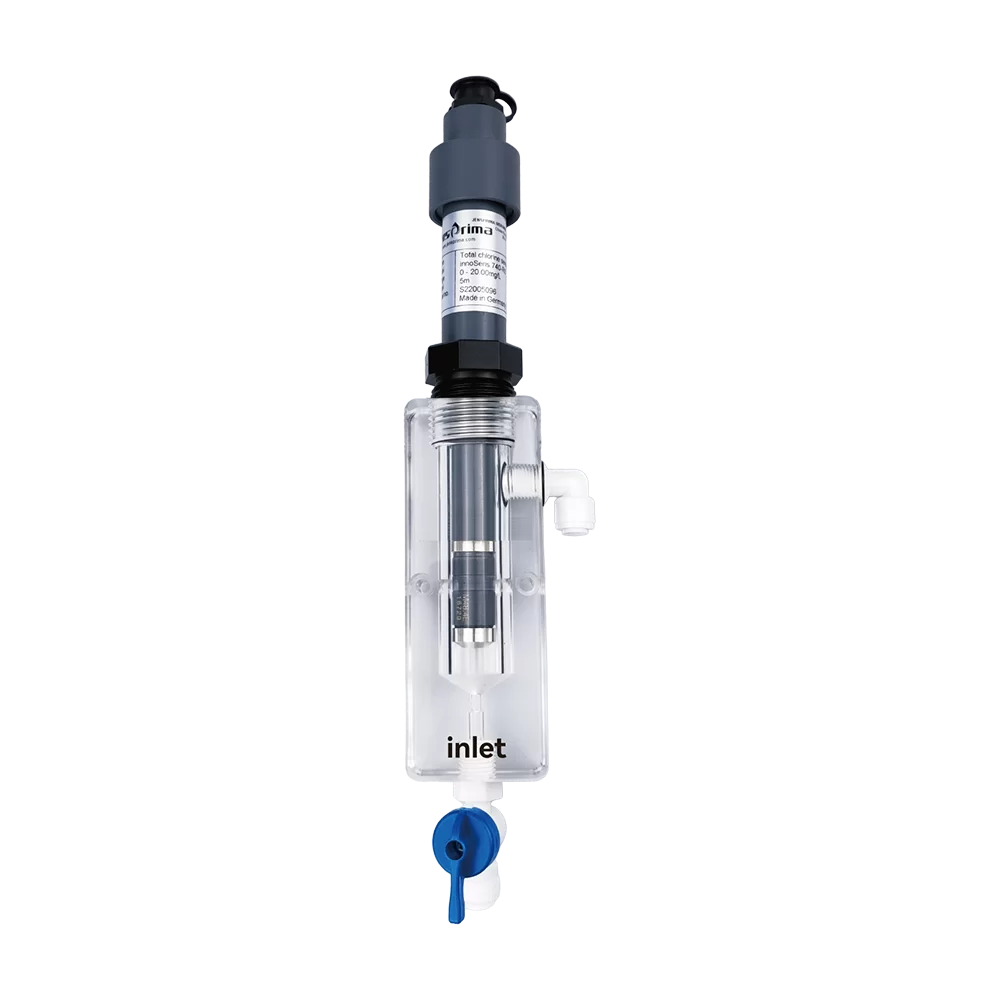
Jensprima analyzers are designed for minimal maintenance. However, regular cleaning of the electrode and sample inlet is essential. Periodically check and replace the electrolyte solution in the electrode as needed. Inspect the tubing for any leaks or blockages. Refer to the user manual for detailed maintenance instructions. Preventive maintenance ensures optimal performance and extends the lifespan of the analyzer.
Can Jensprima analyzers be integrated into existing monitoring systems?
Yes, Jensprima analyzers are designed for seamless integration with existing monitoring systems. They typically provide 4-20mA analog output and Modbus RTU communication protocol, allowing for easy connection to data loggers, PLCs, and SCADA systems. This enables real-time data acquisition and remote monitoring of alkalinity levels. Our engineers can provide support to ensure successful integration with your specific setup.
What industries benefit most from using a total alkalinity analyzer?
Many industries benefit from precise alkalinity measurements. Wastewater treatment, power generation, aquaculture, food and beverage processing, and chemical manufacturing are among the most prominent. Any process where pH control, corrosion prevention, or water quality management is critical can benefit from the use of a reliable total alkalinity analyzer.


 Download
 Video Center
 Technical Services
 FAQS
FAQS Service Network
 Privacy Policy
 Contact Us




 LEARN MORE